

How do boat loans work?
Think of it as a vehicle loan for the water. The lender funds the purchase, registers its interest over the boat (and often the motor and trailer), and you make regular repayments until it’s yours outright.
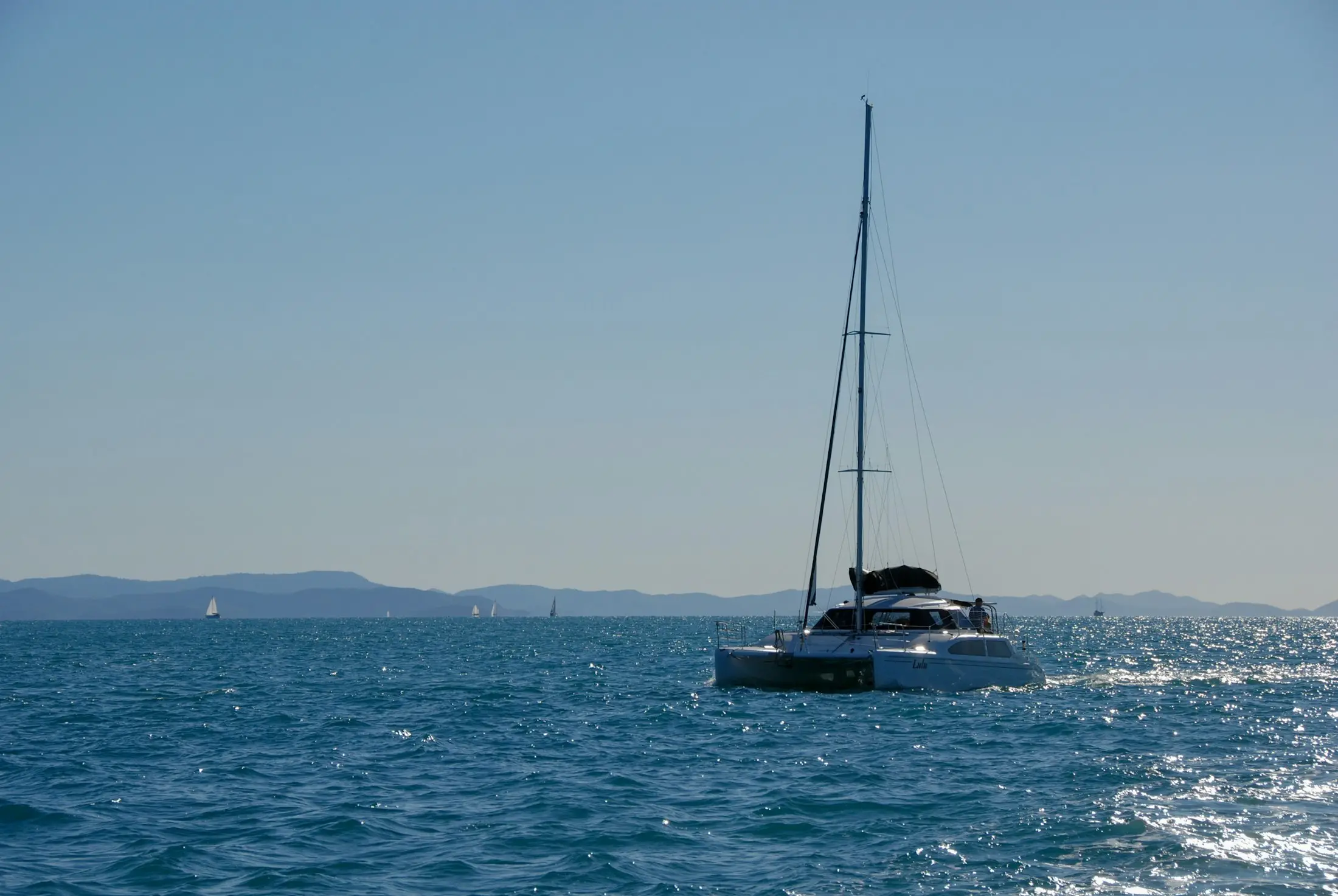
The best place to start with boat loans is the boating you want to do. A tinnie for estuary flathead and a cruiser for Pittwater weekends are very different purchases, and lenders see them that way too.
| Consideration | Secured boat loan | Unsecured personal loan |
|---|---|---|
| What backs the loan | The boat, motor and trailer | Your income and credit history |
| Cost | Often lower, because the lender holds security | Often higher, with no asset behind it |
| Boat age and type | Lenders may set age or condition rules | Fewer limits on the boat itself |
| Good fit for | Newer boats and bigger purchases | Older tinnies, project boats or smaller amounts |
Can I finance a jet ski?
Yes. Jet skis and other personal watercraft (PWCs) are financed much like boats, usually with the trailer included. New and used both work, from a dealer or a private seller.
Check your state’s licence rules before you buy. PWCs often need a specific licence to ride, separate from a general boat licence.
Can I get a boat loan from a private seller?
Yes, many lenders will fund a private boat purchase. Expect a few extra checks, because there’s no dealer standing behind the boat.
- 1
Search the PPSR
Use the hull identification number (HIN), motor serial number or trailer VIN to check for money owing.
- 2
Match the paperwork
Make sure the boat rego, trailer rego and motor serial numbers line up with what’s in front of you.
- 3
Get it inspected
For older or larger boats, a marine surveyor or mechanic can check the hull, motor and electrics. Some lenders ask for this.
- 4
Sea trial it
Run the motor under load on the water, not just on the flushing muffs in a driveway.

What does it cost to keep a boat on the water?
The repayment is only part of the picture. Budget for these before you settle on a size:
- Registration — for the boat and, separately, the trailer.
- Insurance — usually a lender requirement on a financed boat.
- Mooring, marina berth or storage — or a spot in the driveway for a trailer boat.
- Servicing — outboard services, impellers, anodes and antifouling.
- Fuel and ramp fees — they add up over a season.
- Safety gear — life jackets, flares and an EPIRB, depending on where you head.
Towing it to the ramp? Our ute and 4WD finance page covers vehicles with the grunt for the job, and caravan loans help if the boat’s joining a longer road trip.
Is boat loan interest tax deductible?
For most people buying a boat for fun, no — interest on a personal-use boat generally isn’t deductible. If the boat is used in a business, such as charters or a fishing operation, the business-use portion may be.
Everyone’s situation is different, so check with your accountant or the ATO before you count on a deduction.
What you’ll need
- Driver licence, plus your boat licence if you have one
- Recent payslips or tax returns
- Bank statements
- Boat details: make, model, year, HIN and motor serial number
- Trailer VIN and rego
- Dealer invoice or private seller details
- A marine survey report for older or larger boats
Who it usually suits
- Over 18 and living in Australia
- Steady income from a job or your own business
- Repayments that leave room for running costs
- A boat that meets the lender’s age and condition rules
- Credit history assessed alongside your full situation