

How does caravan finance work?
A lender pays the dealer or seller on your behalf, and you repay that amount plus interest over a set term. When the loan is secured, the lender holds an interest in the van until it’s paid off.
Caravan loans follow a similar shape to car loans, with one difference worth knowing: lenders look closely at the van’s age and build, because a solid off-roader and a tired old tourer hold their value very differently.
Four things shape your caravan loan:
- The van — new or used, its age, and whether it’s towed or a motorhome.
- Your income — wages, business income, super or investments all count when you can show them.
- Your deposit or trade-in — putting money in reduces what you borrow.
- The term — longer means lower repayments but more interest over the life of the loan.
Can I finance a second-hand caravan?
Yes. Used vans are financed all the time, from a few-years-old family tourer to a well-kept older pop-top. Some lenders set limits on the van’s age, so a very old van can narrow the field.
| Buying | What lenders usually want | Handy to know |
|---|---|---|
| New from a dealer | Dealer invoice and build details | Often the simplest path, with extras itemised on the invoice |
| Used from a dealer | Invoice, VIN and year of manufacture | Ask for service records and any water-leak inspection |
| Used from a private seller | Seller details, VIN, rego and proof nothing’s owing | Run a PPSR search before paying a deposit |
| Custom or factory order | Build contract and deposit schedule | Check when finance settles and how the build deposit is covered |
Can I include the tow vehicle and caravan together?
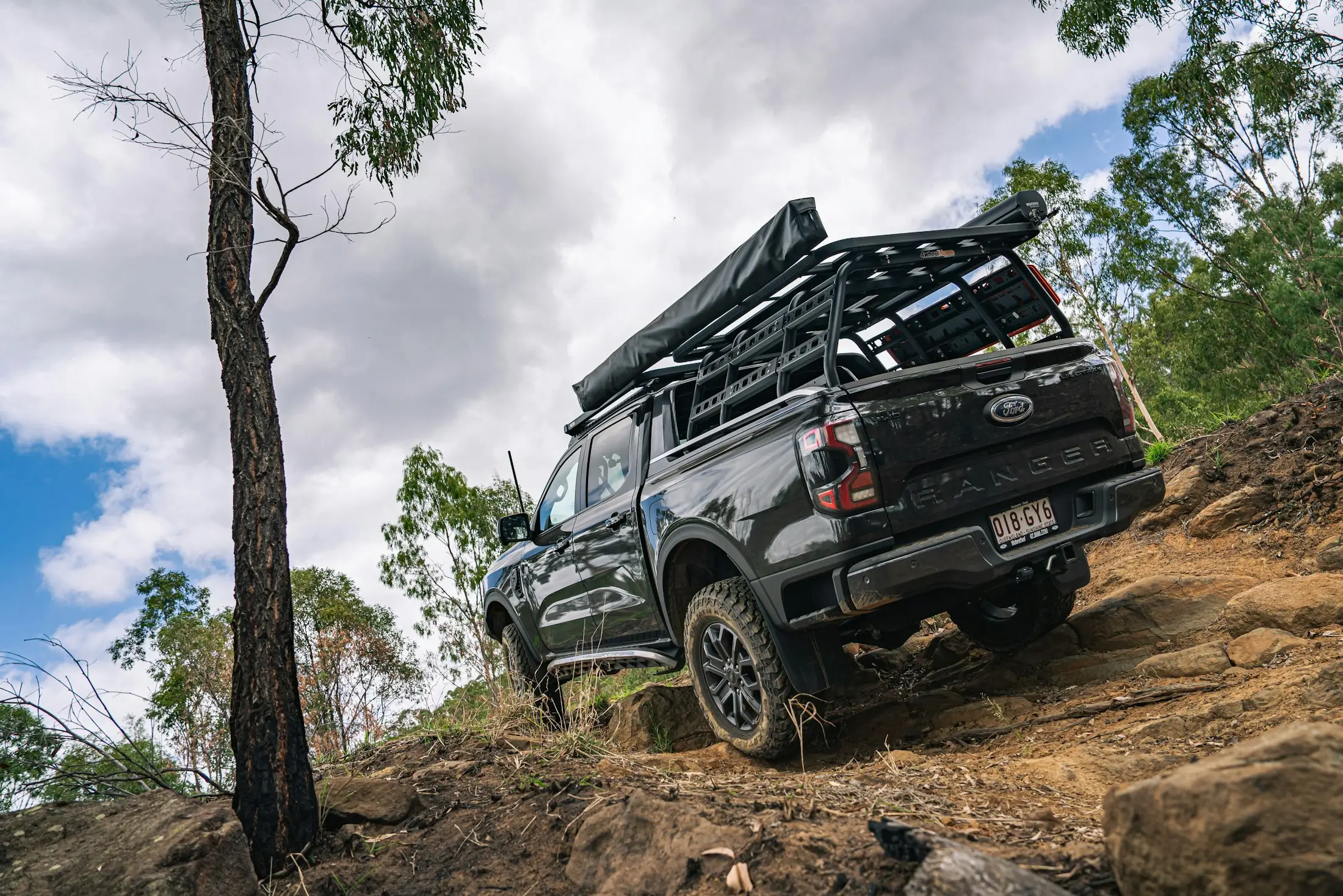
Often, yes. Some lenders can finance the tow vehicle and the van in one application, or as two loans arranged side by side. It’s a common move for families who realise the current SUV won’t safely pull an off-road van.
If a new tow rig is part of the plan, our ute and 4WD finance page covers the towing workhorses in more detail.

Can pensioners or retirees get caravan loans?
They can. Age alone isn’t the deciding factor — what matters is whether the repayments are comfortably affordable from your income, whether that’s super drawdowns, investments, rent or a pension.
What helps a retiree’s application:
- Statements showing regular income from super, investments or rentals
- A healthy deposit, or proceeds from selling an existing van or boat
- A term that suits your travel plans and budget
- A clear picture of your other commitments
What does a caravan cost to run once it’s yours?
More than the loan repayment, so budget for it upfront. The good news is that most of these costs are predictable.
- Registration — caravans and trailers need their own rego.
- Insurance — lenders usually require it on a financed van.
- Storage — a spot at home, or a paid storage yard.
- Servicing — wheel bearings, brakes, seals and gas checks.
- Fuel — towing uses noticeably more of it.
- Tyres and repairs — corrugated roads are tough on everything.
Just hiring a van for a few weeks? A holiday loan might be the better fit.
What you’ll need
- Driver licence
- Proof of income — payslips, tax returns, or super and investment statements
- Recent bank statements
- Van details: make, model, year and VIN
- Dealer invoice or private seller details
- Tow vehicle details if you’re financing it too
- A list of your assets and debts
Who it usually suits
- Over 18 and living in Australia
- Income that comfortably covers repayments — from work, a business, super, investments or a pension
- A van that meets the lender’s age and condition rules
- A deposit or trade-in can strengthen your application
- Imperfect credit considered case by case