


How do business loans work?
Business loans work like any other loan: a funder advances money to your business, and you repay it with interest over an agreed term. What changes is how the funder decides. Instead of leaning on a payslip, they look at the business itself — how long it’s been trading, what comes in and what the money will do.
That’s why business enquiries at Loan Finder Store don’t follow our consumer loan process. They go to our dedicated business lending team, who assess them separately and speak the language of BAS, turnover and ABNs.
- 1
Tell us what it’s for
What the business does, how long it’s been trading and what the money will buy.
- 2
Business team review
Our business lending team looks at the whole picture and works out which finance fits.
- 3
Matched with funders
They approach suitable funders for you, so you’re not filling in five applications.
- 4
Approval to settlement
Once you choose to go ahead, we help with the paperwork until the funds land.
What types of business finance are there?
There’s no single “business loan”. It’s a family of products, and the right one depends on what you’re buying and how cash moves through your business. Here’s how the main types of business finance line up.
| Type | How it works | Typically used for |
|---|---|---|
| Unsecured business loan | A lump sum repaid over a set term, no specific asset as security | Working capital, marketing, stock, a new website |
| Secured business loan | Backed by an asset such as property or equipment | Larger amounts, expansion, buying a business |
| Equipment finance | Funds a specific asset, which usually secures the loan | Machinery, tools, coffee machines, clinic equipment |
| Vehicle finance | A business-use vehicle secured against itself, e.g. a chattel mortgage | Utes, vans, trucks, fleet cars |
| Invoice finance | Advances money against unpaid customer invoices | Bridging the gap between doing the work and getting paid |
| Line of credit or overdraft | A limit you draw on and repay as needed | Seasonal dips, supplier bills, surprise costs |
| Low doc business loan | Assessed on BAS or bank statements instead of full financials | Self-employed owners with paperwork running behind |
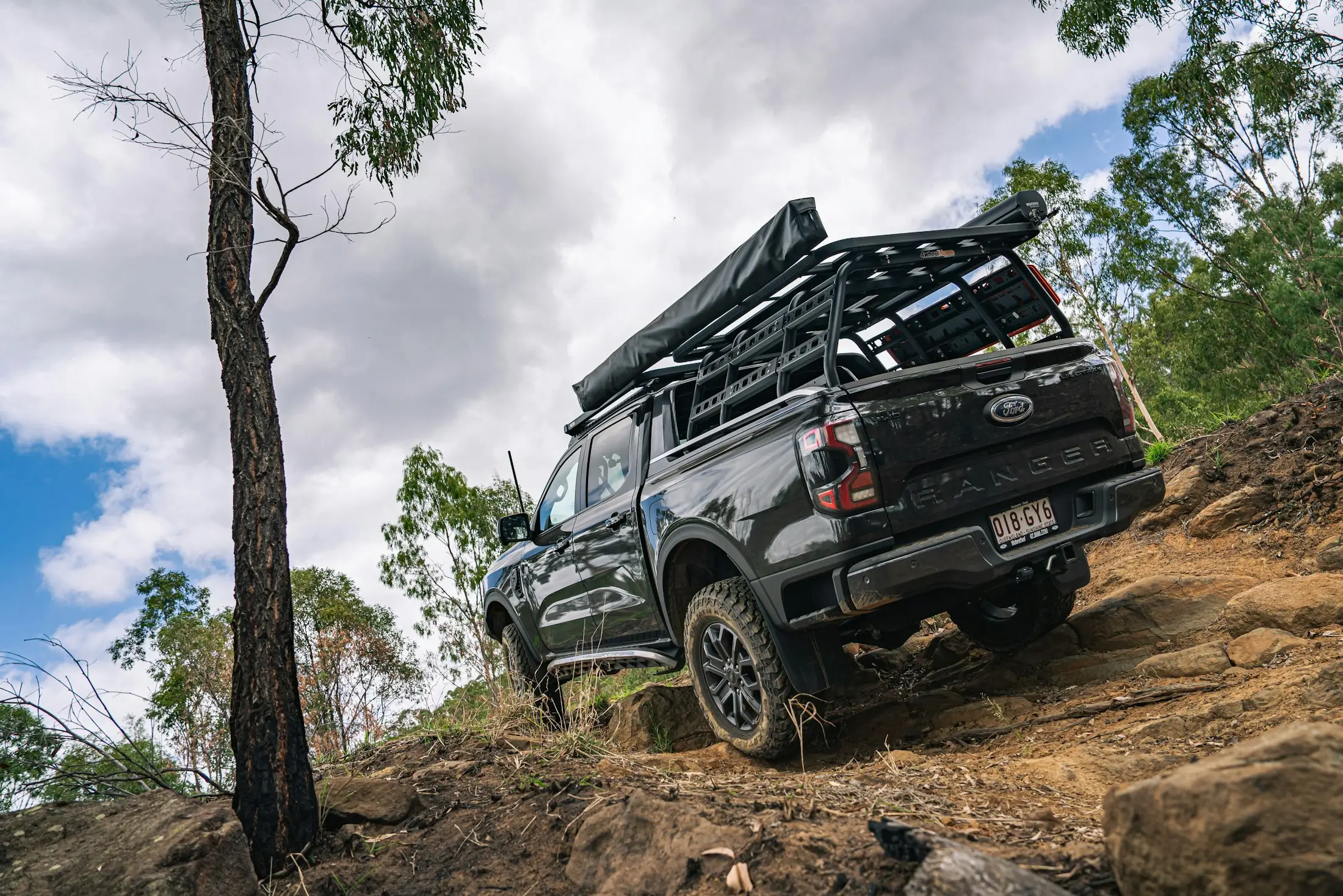
Need a work vehicle? Our page on ute and 4WD finance unpacks the personal-use versus business-use question in more detail.
Secured vs unsecured business loans: which suits you?
Secured business loans are backed by an asset the funder can claim if the loan isn’t repaid, so they often allow larger amounts or longer terms. Unsecured business loans don’t tie up an asset, which suits working capital, but funders lean harder on trading history and cash flow.
- Secured tends to suit: equipment, vehicles, fit-outs and expansion.
- Unsecured tends to suit: working capital, stock runs and marketing.
- Worth knowing: many unsecured business loans still ask directors for a personal guarantee.

Can I get a business loan with a new ABN or low doc?
Sometimes, yes — but your options narrow when the ABN is brand new. Many funders want to see a trading history before offering unsecured business loans, so newer businesses often start with equipment or vehicle finance secured against the asset. If you haven’t opened the doors yet, our guide to start-up business loans is the better place to begin.
A low doc business loan suits self-employed people whose paperwork doesn’t fit the usual mould — the tax return is running behind, or the business has outgrown its accounts. Instead of full financials, the funder may assess BAS, business bank statements or an accountant’s letter.
What do lenders look at for small business loans?
Funders want to know whether the business can comfortably carry the repayments. To answer that, they check a handful of signals.
- Time trading: how long the ABN has been active and the business operating.
- Turnover: how much comes in, and how steady it is from month to month.
- ABN and GST registration: the basic markers of an active, established business.
- BAS and bank statements: the day-to-day evidence of real cash flow.
- Existing commitments: other loans, leases and any tax debts.
- Your personal credit: for smaller businesses, the owner’s credit file often matters too.
How fast can I get business finance?
It depends on the product and how quickly the paperwork comes together. Smaller facilities can move quickly, while larger secured loans take longer because the asset needs checking.
Once a loan is approved, many funders can settle fast — sometimes within 24 hours, depending on the lender. What you control is having your BAS, bank statements and quotes ready when our team asks.
What you’ll need
- Your ABN and GST registration details
- Photo ID for each owner or director
- Recent business bank statements
- BAS statements for recent quarters
- Tax returns or financial statements, if available
- Quotes or invoices for equipment or vehicles
- A list of current business loans and leases
Who it usually suits
- Usually an Australian business with an active ABN
- Owners and directors aged 18 or over
- Trading history helps — brand-new ABNs have fewer options
- Turnover that can support the repayments
- A workable credit history for the business and its owners
- A clear business purpose for the funds