


Can I get a loan to start a business?
Yes, you can — but it usually won’t look like a classic business loan. Most funders judge risk on what a business has already done, and a brand-new ABN hasn’t done anything yet. So start up business loans tend to come from a few different directions.
That’s not bad news. It just means being strategic about which door you knock on first — which is exactly where our team helps.
What loans are available to start a business in Australia?
There are four common routes, plus one that opens up later. Plenty of new owners combine two, such as a personal loan for the fit-out and equipment finance for the big machine.
| Route | How it’s assessed | Good for | Keep in mind |
|---|---|---|---|
| Personal loan | Your personal income, expenses and credit | Fit-out, stock, launch costs | You’re personally responsible for the debt |
| Equipment finance | The asset plus your overall position | Machinery, ovens, tools, salon chairs | The equipment usually secures the loan |
| Vehicle finance | The vehicle plus your income | Utes, vans, food trucks | Business or personal use changes the loan type |
| Home equity | Your property and borrowing capacity | Larger start-up budgets | Your home becomes security for the business |
| Unsecured business loan | Trading history, turnover and BAS | Growth once you’re trading | Rarely available on day one |
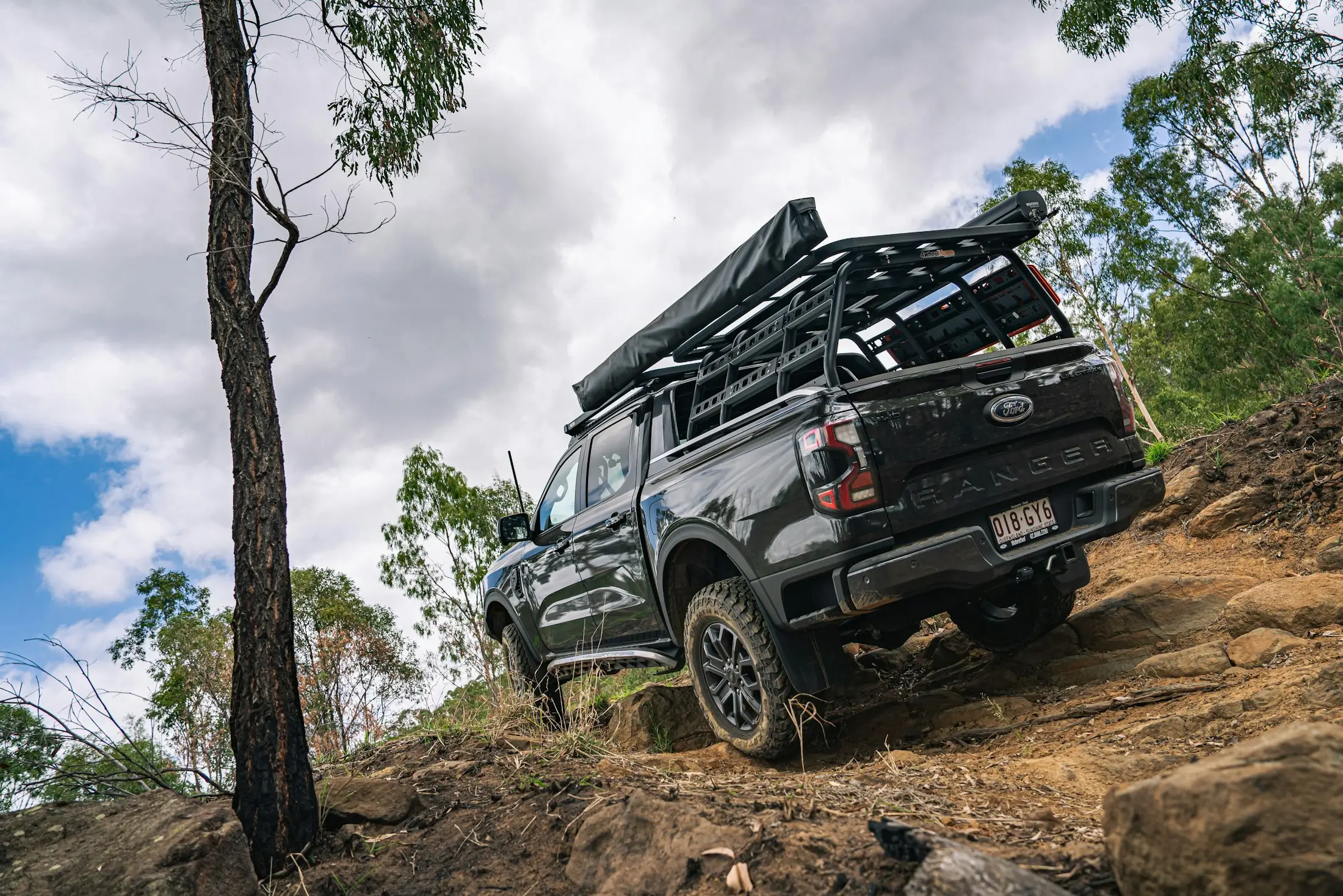
Need wheels before the first job? Our ute and 4WD finance page covers the options for tradies setting up on their own.
Can I use a personal loan to start a business?
Often, yes. A personal loan is assessed on you rather than the business, so your current job, income and credit history do the heavy lifting. That makes it one of the more accessible ways to cover start-up costs.
- Upside: it doesn’t depend on the business having a track record.
- Upside: fixed repayments are easy to build into your cash-flow forecast.
- Watch out: if the business is slow to take off, the repayments are still yours.
- Watch out: not every personal loan product allows business use, so be upfront about the purpose.
Read how personal loans work, including the difference between secured and unsecured versions.

What do lenders need from a new business?
Funders want evidence the business can pay its way. Without a trading history, you provide that evidence another way — and a strong application usually rests on four pillars.
- 1
A clear business plan
What you’ll sell, who’ll buy it, what it costs to run and why you’ll stand out. Practical beats glossy.
- 2
A cash-flow forecast
Money in and money out, month by month, for the first year — loan repayments included. Keep it realistic.
- 3
Industry experience
Years on the tools or behind a busy café counter count. Funders like owners who know their trade.
- 4
Clean personal credit
With no business track record, your own credit file carries extra weight.
Are there government start up loans or grants?
There’s no single government start-up loan for every new business, but there is support. Grants, programs and free advice services exist at federal, state and local levels, and they change often.
The best starting point is business.gov.au, which lists current grants and programs by location and industry. Many are competitive or industry-specific, so treat them as a bonus rather than your whole funding plan.
Need a qualification or licence before you open, such as a trade ticket or a food safety course? Education and course loans can cover that step.
Can I get start-up finance with bad credit?
It’s harder, but not always off the table. For a new business, your personal credit history is one of the few things a funder can assess, so a past default weighs more than it would for an established business.
Specialist lenders may still consider you, especially for equipment or vehicle finance, if your income is steady and you can explain what happened. We look at your whole situation and won’t promise what we can’t deliver.
What you’ll need
- Current photo ID (licence or passport)
- Your business plan, even a simple one
- A 12-month cash-flow forecast
- Quotes for equipment, vehicles or fit-out
- Payslips or income evidence from your current work
- Your ABN details, if registered
- A list of your current debts and living expenses
Who it usually suits
- Usually Australian citizens or permanent residents aged 18 or over
- Steady personal income helps, especially before launch
- Relevant experience in your industry
- A clear, realistic plan for the funds
- A reasonably clean personal credit file