
How do solar loans work?
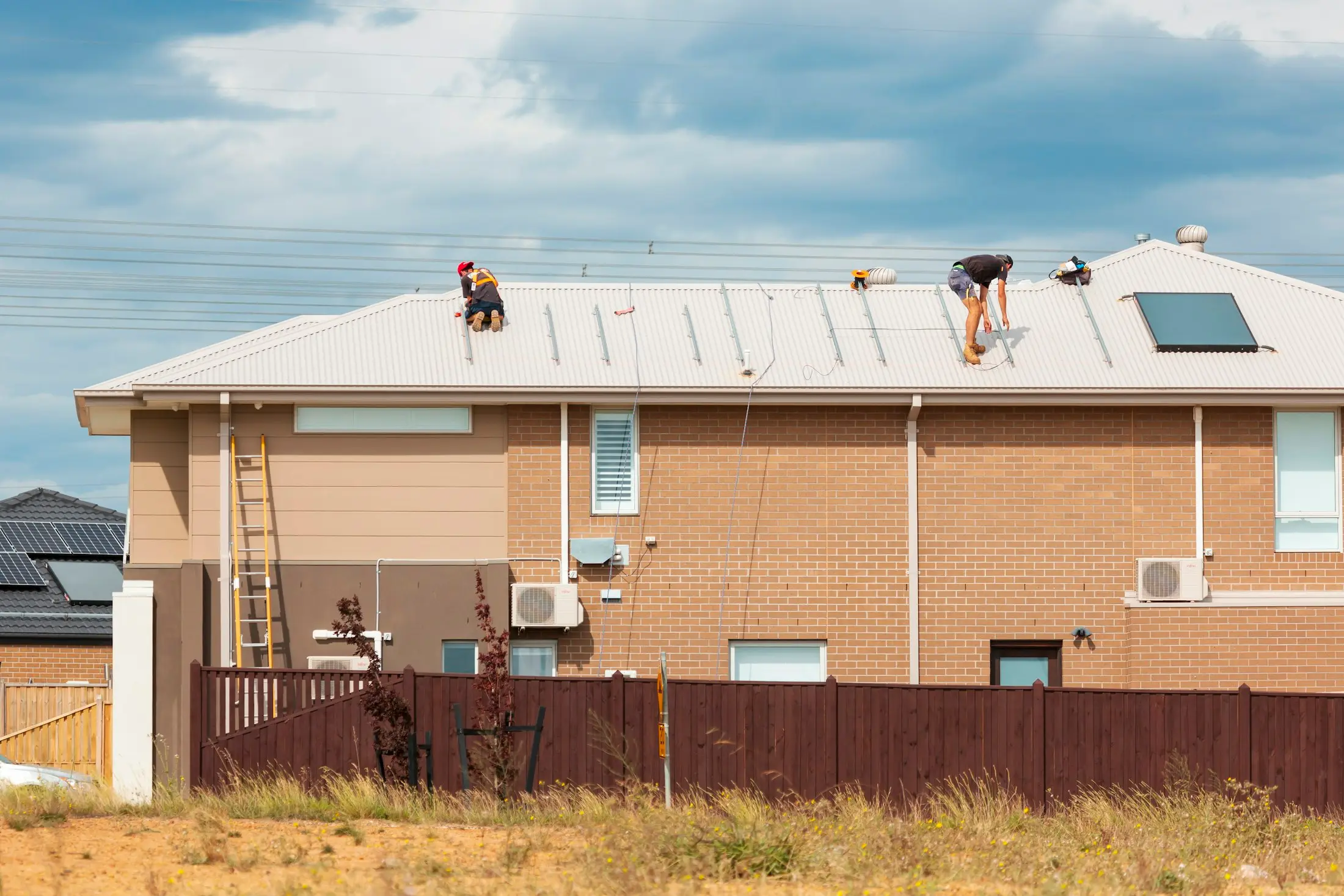
In three simple moves. Your installer quotes a price with the certificate discount already taken off, you finance the balance, and you repay it over a fixed term while the panels start trimming what you buy from the grid.
Solar panel finance is usually an unsecured personal loan or a green loan. Depending on the lender, the money is paid to you or straight to the installer.
What rebates are available for solar?
The main one is national. Under the Small-scale Renewable Energy Scheme, eligible rooftop systems create small-scale technology certificates (STCs), which reduce the upfront price — usually as a discount on your installer’s quote.
The scheme runs until the end of 2030, and the number of certificates a system earns steps down each year. In practice, the upfront discount gets a little smaller every year you wait.
- Batteries: the Cheaper Home Batteries Program has offered roughly 30% off eligible batteries installed with rooftop solar since 1 July 2025.
- State programs: some states add their own help, such as Victoria’s Solar Homes Program. Eligibility and amounts change, so check what your state offers.
What is a green loan?
A green loan is finance for eligible energy-efficient upgrades such as solar panels, batteries and heat pump hot water. Some lenders offer a discount or extra features when the purchase meets their green criteria.
Criteria differ between lenders and often cover the type of product and who installs it. We check which green loans your system may qualify for, then compare them with standard personal loans so you see the whole picture.
Is solar panel finance worth it?
It can be, when the bill savings stack up against the repayments. The simplest test is to compare what you’ll repay each month with what you expect to stop paying your energy retailer.
| Question | Where to find the answer |
|---|---|
| What do I spend on power now? | A full year of your electricity bills |
| How much of that is used in daylight? | Your smart meter data and your household’s routine |
| What will the system cost after certificates? | Your installer’s written quote |
| What will the repayments be? | The calculator on this page, then your loan offer |
| What happens once the loan is paid off? | The savings continue for the rest of the system’s working life |
If your estimated savings sit close to the repayment, the system is broadly paying its way during the loan. Homes that use plenty of power in daylight hours — pool pumps, home offices, air con — tend to see savings build faster.
Can I get solar and a battery on the same loan?
Yes. Bundling panels with a battery, and even an EV charger, means one application and one repayment instead of three. The battery discount comes off the price before you finance the rest.
Batteries bring their own sizing questions, which we cover on our home battery loans page, and the Cheaper Home Batteries Program guide walks through the discount. If an EV is next on the list, see electric car loans.
Interest-free solar plans vs a loan: what should I check?
Interest-free plans offered by some solar retailers can look like the obvious pick. Before you sign, compare the total you’d pay for the same system with and without the plan.
- Is the system price the same as a cash buyer would pay?
- Are there account, establishment or late payment fees?
- What happens when a promotional period ends or you miss a payment?
- Are you free to choose the panels, inverter and installer you want?
A loan arranged through us isn’t linked to any retailer, so you can take the best system price you find and finance it separately.
What you’ll need
- Written quote from an accredited installer
- System details: panels, inverter and any battery
- Recent electricity bills
- A current driver licence or passport
- Recent payslips or proof of income
- Recent bank statements
- Details of existing debts
Who it usually suits
- 18+ and an Australian citizen or permanent resident
- Owner of the home where the system will be installed
- Regular income that covers repayments
- Room in your budget alongside current debts
- Past credit slip-ups don’t automatically rule you out